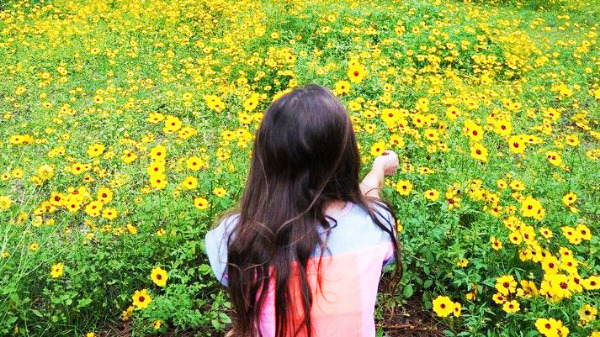
Would you like to make your yard a haven for you and your family, as well as birds, bees, butterflies and other beneficial and beautiful wildlife? Below are some recommendations!
Step #1 – Reduce or Eliminate Toxic Chemicals
What chemical products do you use to treat your yard and garden? You may use them to kill the weeds, insects, or fungi in your lawn, but many of them are also harmful to humans, pets, plants, wildlife, groundwater (drinking) supplies, and the ecosystems of nearby streams, rivers and lakes.
Pesticides Can Harm Humans, and Often Kill Beneficial Insects
Scientific researchers have found that many pesticides (which include rodenticides and insecticides) are harmful to human health, plants and animals. One well-known example is a class of pesticides called neonicotinoids, which are meant to kill insect pests, but they also harm beneficial pollinators, such as bees. Please note: as of 2022, Massachusetts law will ban the retail sale of pesticides containing neonicotinoids and require that non-commercial use be conducted only by a licensed pesticide applicator.
Herbicides Can Harm Animals and Valuable Plants
Although they target certain biological plant processes of some species, herbicides often negatively impact other plants, which indirectly effects wildlife (birds, amphibians, reptiles, mammals, insects, etc.) by changing or eliminating vegetative cover and structure.
Chemicals Pollute the Water We Drink
Fertilizers, pesticides, herbicides, fungicides all travel easily through stormwater or irrigation runoff, and end up polluting nearby water bodies and groundwater aquifers.
Step #2 – Reduce or Eliminate Your Turf Lawn
Turf lawns are unhealthy for people and the planet. The much-loved green turf lawns of our society are not natural or native. Native wildlife populations are in decline because the native plants they depend on are fast disappearing.
Even in our temperate northeastern US climate, lawns usually consume a lot of resources: irrigation, synthetic fertilizers based on fossil fuels, pesticides, herbicides, and fungicides, not to mention raking, fuel-guzzling mowing or leaf-blowing.
So please consider replacing all or part of your turf lawn with native plants that support healthy biodiversity, water resources, and the planet’s atmosphere.
Benefits of Going Green
- Breathe easier knowing the water and air in your yard is cleaner
- Increase local pollinators such as butterflies, bees, and other insects
- Enjoy more wildlife in your yard
- Lower your carbon footprint
- Lower your maintenance costs (chemicals, gasoline, water and sprinkler systems)
- Save time by mowing less often
- Have more time to enjoy your backyard!
How to Go Green
- Landscape with native grasses, shrubs, trees and flowers
- Use organic compost
- Don’t use pesticides, herbicides and synthetic fertilizers
- Read product labels carefully! Use only the chemicals you absolutely need, and use them sparingly
- Ask your local store to sell organic products rather than toxic chemicals
Resources Where You Can Learn More